
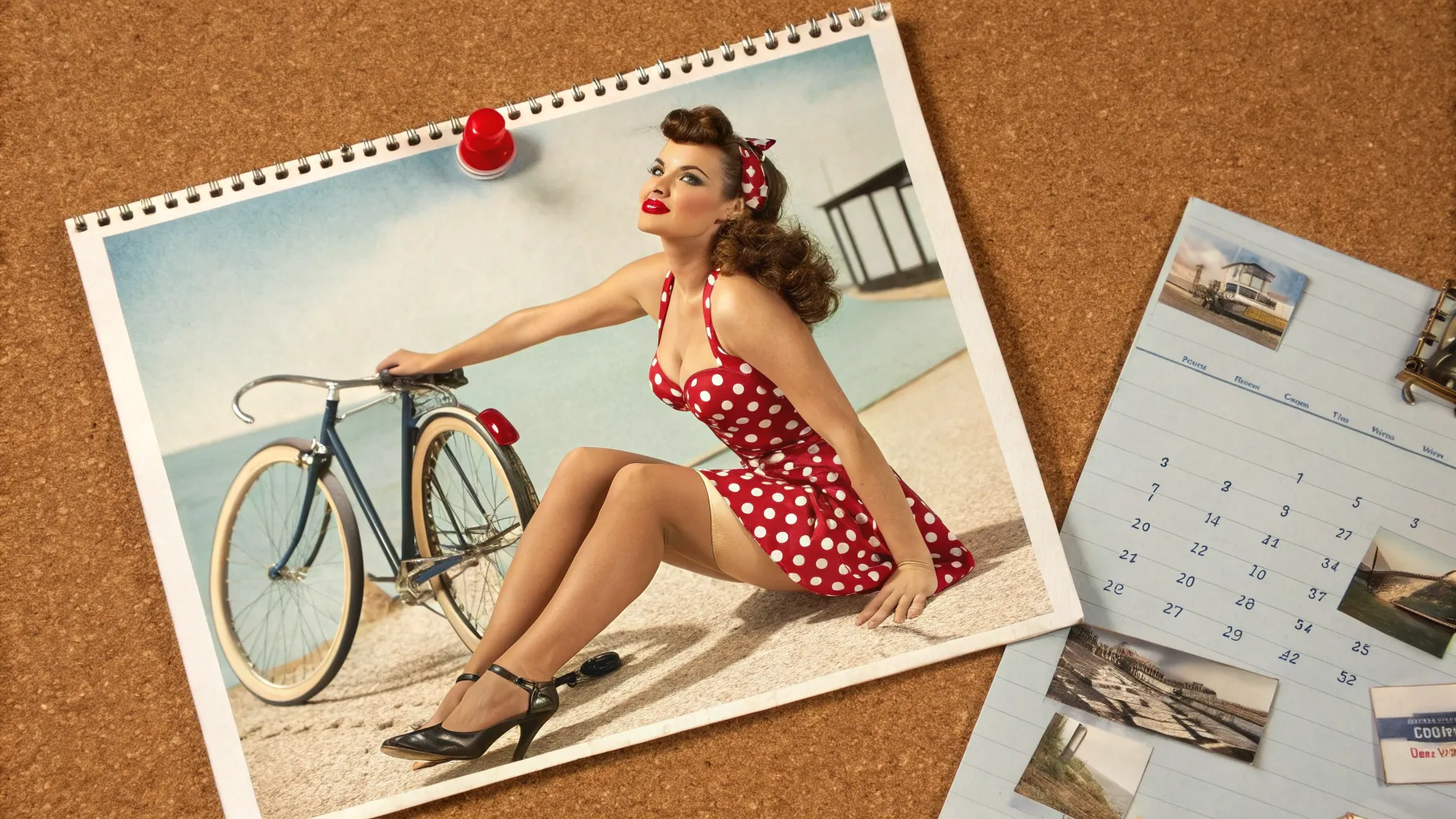
In this deep dive I explore the rise, meaning, and legacy of the pin-up girl — a cultural phenomenon that started decades before World War II and wound its way through bicycles, calendars, propaganda, Hollywood, centerfolds, and even nose art on bomber planes.and over the years I’ve loved tracing how visual culture both reflects and shapes larger social changes. This story began for me after watching another researcher’s take on TikTok and it pulled me down a rabbit hole: why did these images become so powerful, who made them, and what did they mean to the people who lived with them?
Table of Contents
- Quick snapshot: what is a pin-up?
- Outline of this article
- 1. Origins: advertising, burlesque, and French pictorial precedents (late 1800s)
- 2. The bicycle: accidental catalyst for a cultural shift
- 3. The Gibson Girl: America’s first national dream girl
- 4. Calendars, advertising, and the commercialization of desire
- 5. World War I and official pictorial publicity
- 6. The Roaring Twenties: flappers, jazz, and a shift toward flirtation
- 7. George Petty and the birth of the centerfold
- 8. Gil Elvgren and the art of “accidental” exposure
- 9. World War II: government strategy, Yank magazine, and nose art
- 10. Tattoos, bombs, and the most extreme canvases for pin-ups
- 11. From illustration to photography: the late war and postwar shift
- 12. Famous pin-up figures and their trajectories
- 13. Postwar culture: advertising, Barbie, and the normalized fantasy
- 14. The Playboy revolution and the increased sexualization of imagery
- 15. The 1960s, 70s, and the changing face of erotic imagery
- 16. Decline, nostalgia, and the 21st-century revival
- 17. Cultural debates: objectification, empowerment, and historical context
- 18. What the pin-up left behind
- Conclusion: the pin-up as mirror and engine of change
- Frequently Asked Questions
Quick snapshot: what is a pin-up?
“Pin-up” refers to an image — originally, most often of a woman — that viewers would literally pin to a wall to enjoy in passing. The genre earned nicknames like “cheesecake” (a metaphor for something sweet) and, later, “beefcake” for attractive male counterparts. The archetype most people imagine — the wholesome, flirtatious “girl next door” — came into its classic form in the 1920s and 1930s and then exploded in visibility during World War II.
Outline of this article
- Origins: late-19th-century advertising, burlesque, and French precedents
- The bicycle and changing women’s fashion
- The Gibson Girl and the calendar market
- World War I propaganda and the pictorial publicist
- Roaring Twenties, flappers, and evolving pin-up styles
- George Petty, Esquire centerfolds, and the Petty Girl
- World War II: government strategy, Yank magazine, and nose art
- Transition from illustration to photographic pin-ups
- Commercialization: Hollywood, advertising, Barbie, and stewardesses
- Decline, transformation, and later revival
- Cultural debates: objectification, empowerment, nostalgia
- FAQs
1. Origins: advertising, burlesque, and French pictorial precedents (late 1800s)
To understand pin-ups, you have to go back to the late 19th century. In Paris during the 1890s, advertising posters featuring attractive women had already become a staple of public visual life — sometimes stylized, sometimes overtly sexual, and in some circles, completely nude. The European tradition of sensual poster art predates American pin-up by decades. Artists made women into ethereal, romanticized figures rather than realistic portraits, and the public consumed these images widely.
At the same time in the United States, burlesque and variety shows were flourishing between the 1860s and the 1940s. Burlesque performers created photographs — partially clothed or provocatively posed — to be used as promotional materials or “resumes.” Some of those photos echoed the later pin-up tactics: suggestive poses, partial coverage, and the important visual technique of leaving something to the imagination.
Burlesque, though rooted in striptease and theatricality, was not identical to what pin-up would become. Burlesque performers typically remained somewhat clothed, and the performances were staged. Pin-ups, by contrast, aimed to be the intimate, everyday fantasy you might hang in your bedroom or slip into a soldier’s pocket.
2. The bicycle: accidental catalyst for a cultural shift
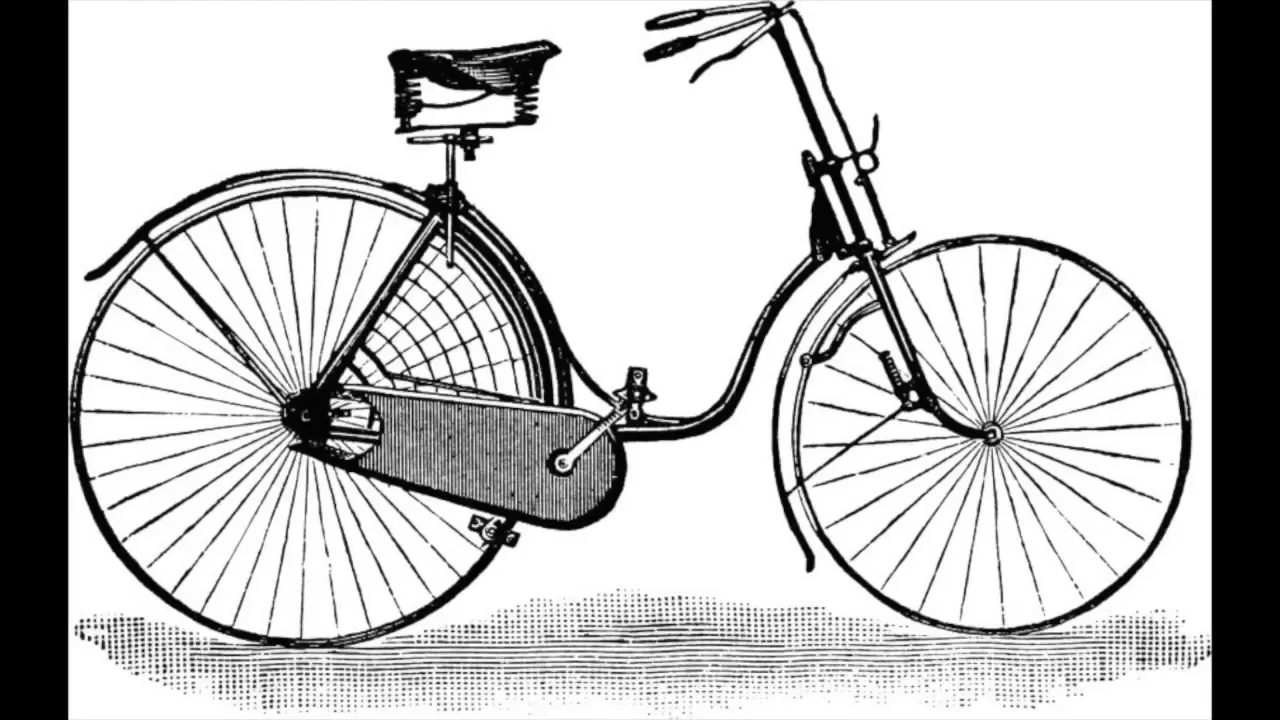
One of the most interesting and often-cited catalysts for the emergence of pin-up culture was the invention and commercialization of the “safety bicycle.” The step from eccentric proto-bicycles (the penny-farthing or high-wheel) to the modern two-wheel design changed mobility in the late 19th century and opened up dramatic new possibilities for women.
By the 1890s, safety bicycles — two wheels of equal size, chain-driven, improved brakes — were fast, affordable, and widespread. Production skyrocketed from a few hundred thousand to a million in a single year. For urban women, the bicycle represented freedom: the ability to travel unchaperoned, to move quickly for work or activism, and to expand one’s independence.
But late-19th-century fashion complicated riding. Floor-length dresses, heavy petticoats, and tightly-laced corsets made cycling dangerous and impractical. The popular story is that women shed these layers almost overnight and started wearing “bloomers” (split skirts or pantaloons). The truth is messier.
Researcher Dr. Caitlin Stark-Kahn suggests the cultural memory of women collectively tossing aside corsets and flaunting bloomers comes partly from satirical drawings of the era. Many of those drawings mocked the idea of women wearing such practical clothing in public. Still, documented cases exist of women riding in bloomers, of being denied service for their attire, and of a broader rational dress movement that advocated for comfort and mobility.
In practice most riding women adopted shorter, more practical skirts, or divided skirts that looked like a skirt but functioned like pants. “Cycling costumes” were tailored outfits — often wool or linen, sometimes with reinforced hems, leather guards, and modest structure — designed to keep fabric out of the chain and protect reputations while granting mobility. Some women adopted “health” corsets with lighter boning. The overall effect: clothing moving toward practicality without completely abandoning modesty.
Why the bicycle mattered beyond clothing
The bicycle’s social impact was profound. It fueled the rational dress movement and gave women a sense of autonomy that directly connected to political activism. Women who biked were more likely to join suffrage campaigns and public life. Susan B. Anthony famously said, “Bicycling has done more to emancipate women than anything else in the world,” calling the sight of a woman on a wheel “the picture of free, untrammeled womanhood.”
That image — of women active, visible, and desirable in a way that was not explicitly sexual — would work its way into later visual culture and inform how the “new woman” was represented on posters and calendars.
3. The Gibson Girl: America’s first national dream girl
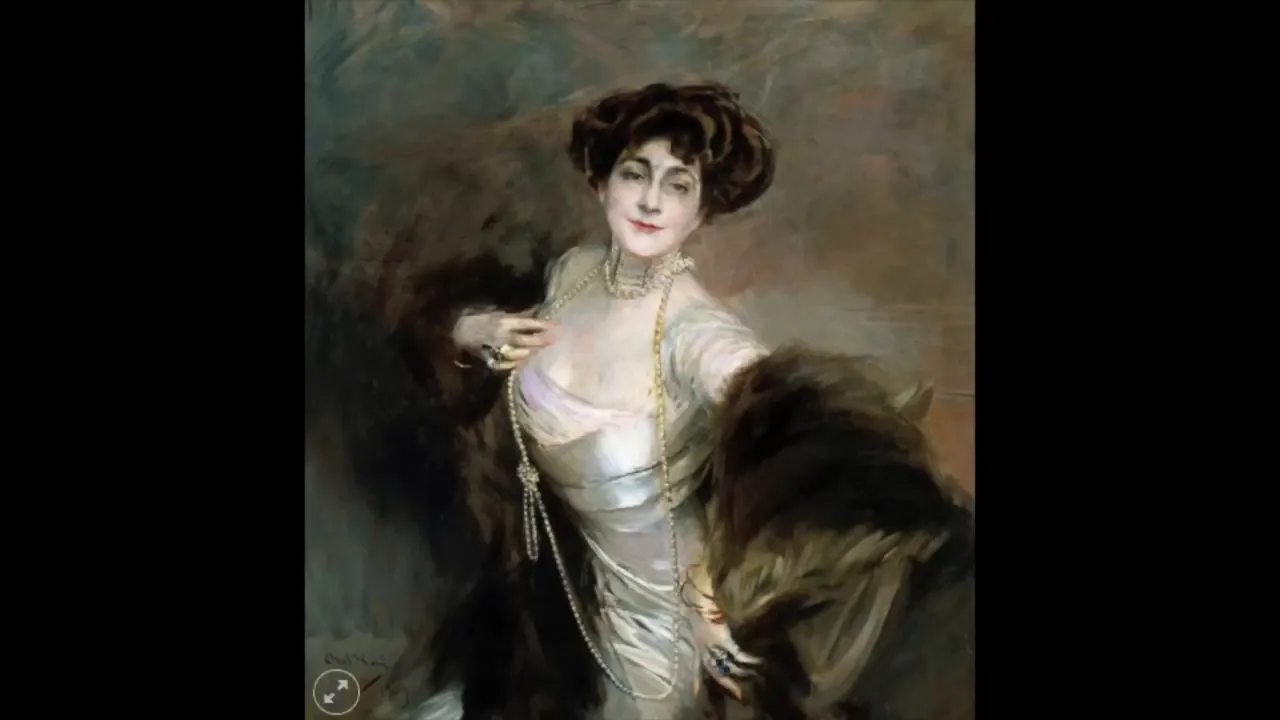
In 1895 Charles Dana Gibson created what many historians call the first pin-up prototype: the Gibson Girl. Inspired partly by his wife and a composite of American women, the Gibson Girl had an exaggerated hourglass figure — large bust, tiny waist, full lips, swan neck, and voluminous hair piled atop her head. But she wasn’t just a pretty face. What made her compelling was personality: confident, put-together, sensual yet respectable.
Gibson’s illustrations appeared across magazines and newspapers for decades and became a standard of beauty. Women imitated Gibson hairstyles; fashion designers produced S-bend corsets that altered posture to achieve the Gibson silhouette. The Gibson Girl was desirable and unattainable — perfect fodder for the calendar and magazine markets that would later fuel pin-up as a mass industry.
4. Calendars, advertising, and the commercialization of desire
By the late 1800s printing techniques and consumer demand created a new commercial ecosystem. In 1889 Thomas Murphy and Edmund Osborne printed the first calendar featuring advertisements beneath the images. The trick: advertisers now had a year’s worth of visible ad space in homes and shops. The first calendars didn’t sell well with historical figures like George Washington on them. The realization that sex sells came a bit later.
In 1903 the first “girl calendar” appeared and quickly proved popular. Calendars featuring attractive women were cheap, cheerful, and ideal for shop walls, garages, and bedrooms. They transformed private desire into a daily consumer product. These commercialized images — calendars, posters, magazine centerfolds — created a feedback loop: consumers wanted idealized beauty; companies provided increasingly polished fantasies; artists amplified features to sell more copies.
5. World War I and official pictorial publicity
World War I pushed visual propaganda to new levels. In 1917 the U.S. administration created a “division of pictorial publicity” to mobilize posters and convincing imagery for the war effort. One of the consistent tactics: combine patriotism and sexual appeal. Sexy women in stylized military garb or implied uniforms told a story: serve your country and you’ll return to the admiration of pretty women.
These posters didn’t just sell romance; they sold duty, recruitment, war bonds, and a dream of home. The pin-up as a morale tool was becoming explicit: attractive, often somewhat wholesome, and easy to imagine as someone waiting at home.
6. The Roaring Twenties: flappers, jazz, and a shift toward flirtation
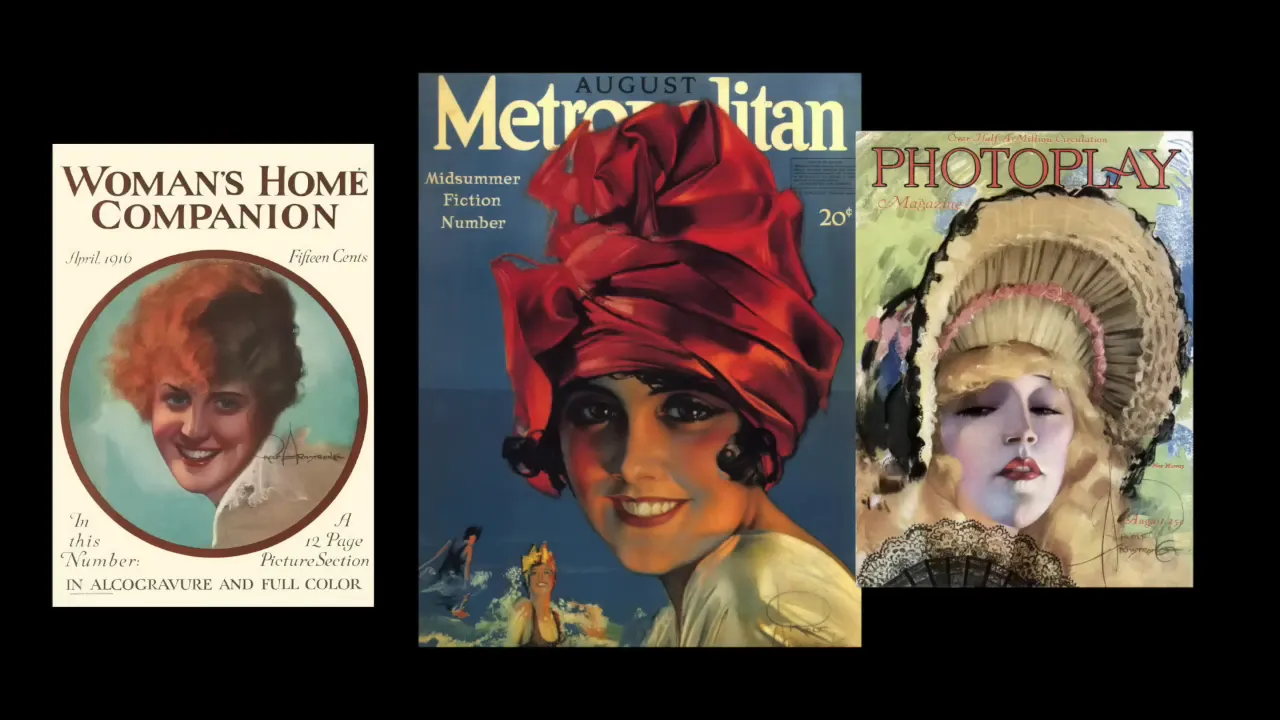
The 1920s brought new freedoms and an appetite for modern, more revealing imagery. The flapper aesthetic — bobbed hair, shorter hemlines, jazz clubs, speakeasies — encouraged artists like Rolf Armstrong to portray women in ever more teasing outfits. Calendar artists played a role in normalizing visual flirtation. The pin-up woman moved from ethereal ideal to a flirtatious, often playful figure.
Notably, African American performers such as Josephine Baker and Lottie Graves became celebrated pin-up figures as well — particularly in Paris and among avant-garde audiences. Baker, who danced and performed in provocative costumes, became an icon of the Jazz Age and a symbol of modernity, rhythm, and allure.
7. George Petty and the birth of the centerfold
When George Petty began illustrating for Esquire magazine his work turned into a sensation. Petty’s girls — the “Petty Girls” — were curvaceous, long-legged, and posed in everyday scenarios. Esquire printed these images on a double-page spread that could be torn out and pinned up, inventing the modern idea of the centerfold.
Petty’s genius was placing the sexy woman within a reader’s world: doing mundane things like answering a phone, decorating, or playfully working in a new job. That domestic-cum-fantasy placement allowed men to imagine these women as childhood sweethearts or hometown crushes, not just unattainable stars.
8. Gil Elvgren and the art of “accidental” exposure
Gil Elvgren refined the art of the playful pin-up in ways that have become archetypal. His girls were colorful, expressive, and often involved in humorous accidents: tripping, slipping, or catching a gust of wind that lifts a skirt. The implied “oops” was key — the woman was never purposefully seductive; she was innocent and unaware, which heightened desire without crossing into overt eroticism.
Elvgren was also a master manipulator of the female form: he photographed models and then “nipped and tucked” on the drawing board to create a hyper-idealized figure. The result felt both lifelike and fantastical — a fantasy rendered with believable details that made it easy for viewers to project longing, nostalgia, and comfort onto the image.
9. World War II: government strategy, Yank magazine, and nose art
World War II marks the historical apex of the pin-up as a cultural and political tool. The U.S. military and government leaders actively encouraged pin-up distribution to maintain troop morale. Yank magazine, a weekly publication modeled after Stars and Stripes, distributed free imagery and curated pictures under rules set by military authorities: “erotic, but not pornographic.” The photos had to be evocative without being explicit — erotic enough to stir nostalgia and fantasies but restrained enough not to provoke anxiety or preoccupy soldiers.
Why the emphasis on innocence and nostalgia? Partly it was strategic. Military planners feared that overtly sexual images could exacerbate loneliness, prompt soldiers to seek risky encounters overseas (and thereby contract venereal disease), or distract them from their duty. So pin-ups were framed as the wholesome “sweetheart” waiting at home — the embodiment of family, domesticity, and the future.
Soldiers pasted images in barracks, submarines, lockers, and personal gear. Pin-up images also migrated into “nose art” — decorative paintings on the fuselage of aircraft. Originally a practical way to identify planes, nose art evolved into an expressive custom: women, mascots, hometown references, and sometimes explicit images accompanied aircraft names like “Never Satisfied” or “Vicky the Vivacious Virgin.” Regulations often existed but enforcement was lax, giving crews a wide latitude to personalize their craft.
Pin-ups as propaganda: “the good girl” and “the bad girl”
The military divided pin-up imagery into two functional categories. “Good” pin-ups — clothed, patriotic, supportive — were used to promote war bonds, factory production, and female auxiliary units. These images encouraged women on the home front to take on new roles while remaining symbols of family life.
“Bad” pin-ups, more provocative and less clothed, were used in posters warning soldiers of venereal disease, espionage, or moral peril. The contrast between “good” and “bad” pin-ups became a visual method to instruct soldiers about personal conduct: desire was acknowledged but to be carefully managed.
10. Tattoos, bombs, and the most extreme canvases for pin-ups
Pin-ups were not only printed and pasted — they were inked. Many soldiers tattooed pin-up images on their bodies. Aircraft crews painted pin-ups on fuselages; in an extreme symbolic twist, some bomb drawings reportedly bore the images of starlets. The bomber that dropped the first atomic bomb in 1945 was said to have an image of Rita Hayworth drawn on the bomb. The intimacy of these images — on bodies and on instruments of war — shows how interwoven fantasy and combat became.
11. From illustration to photography: the late war and postwar shift
By the late stages of World War II, soldiers began seeking photos of women who reminded them of home more than stylized Hollywood fantasies. Life magazine and regional papers started printing local women at the request of servicemen; by 1944, regional pin-up contests asked GIs to send in photos of mothers, wives, and children. These “pin-up mothers” and “pin-up children” removed sexuality altogether and emphasized family, identity, and hope. They were mascots for the homesick and illustrated a critical function of pin-up: to anchor fighting men to the vision of home they were defending.
Photographic technology improved and public taste shifted toward real faces. Artists like Zoe Mozert contributed by drawing women with more realistic proportions and a grounding in real-life features. This shift paved the way for photographic pin-ups of famous actresses: Betty Grable’s 1943 yellow bathing suit poster became an era-defining image; Betty Page (commonly spelled Bettie Page) became the most photographed and collected pin-up model in history.
12. Famous pin-up figures and their trajectories
Some names became synonymous with the pin-up era:
- Bettie Page — A 1950s model whose photographs popularized the erotic pin-up aesthetic and later inspired generations of alternative models and artists.
- Betty Grable — A Hollywood star dubbed “the girl with the great legs,” whose bathing suit poster became one of the most downloaded and cherished images among GIs in WWII.
- Eartha Kitt — One of the first African American women to be recognized in the pin-up style; she parlayed that visibility into a successful career on stage and screen and was praised for her presence and talent.
- Marilyn Monroe — Early photographs (some nude calendar shots) and her later public persona tapped into the pin-up formula: playful, vulnerable, and endlessly commodified.
13. Postwar culture: advertising, Barbie, and the normalized fantasy
After the war, pin-up aesthetics flowed into mainstream advertising and product design. In the 1950s the idealized hourglass look and the suggestion of domestic perfection became commercial tools. The new postwar consumer economy needed symbols of abundance, beauty, and stability — and pin-up imagery supplied that visual shorthand.
Even toys absorbed the aesthetic. Barbie, introduced in 1959, wore a form-fitting swimsuit, sported the hourglass silhouette, and carried a lifestyle of careers and leisure that mirrored the newly commercialized and aspirational female form. To modern eyes Barbie’s outfit is mild; to the 1960s public it reflected changing norms about what was acceptable to depict publicly.
Another example: airline culture. In the 1950s and 60s airlines began hiring stewardesses with strict aesthetic standards — young, attractive, well-dressed — and designed uniforms that played into fantasies of glamour. The stewardess became a mobile pin-up, one who embodied both service and allure.
14. The Playboy revolution and the increased sexualization of imagery
In 1953 Hugh Hefner founded Playboy. Hefner had served in World War II and was keenly aware of how much men loved pin-up photography. He published Marilyn Monroe on the first cover, promising a nude photo inside; the issue sold out. The Playboy model — the “Playmate” — extended the pin-up tradition into a glossy adult market.
Playboy professionalized and commercialized the male gaze in a new way. For some, it was liberating and modern; for others, it was exploitative and a further step into commodified sexuality. Hugh Hefner bought the rights to Marilyn’s calendar photograph from a company and used it to catapult his magazine. The monetization of the pin-up aesthetic had begun in full force.
15. The 1960s, 70s, and the changing face of erotic imagery
The cultural revolutions of the 1960s and 70s changed appetites. The “innocent” pin-up gave way to more explicit forms of erotic photography and print. Underground and mainstream publications pushed the boundaries: the free love movement challenged old sexual norms, and magazines like Hustler took the commercialization of sex to new extremes.
Photographs that once were designed to be coy became more direct. The woman’s gaze shifted: where earlier pin-ups often looked coyly away or feigned accidental exposure, later models might look directly into the camera with a confident, knowing expression. The power dynamics — how much a subject was objectified vs. how much she asserted agency — became more contentious and complex.
16. Decline, nostalgia, and the 21st-century revival
By the late 1950s and into the 1960s pin-up, as a dominant mass cultural form, began to decline. New forms of photography, new magazines, and changing social mores altered the market. But by the 2000s a revival emerged. Nostalgia for “classic” pin-up aesthetics grew into clubs, modeling communities, retro fashion movements, and contemporary photography that deliberately evoked the 1940s and 1950s.
Many women today embrace vintage pin-up styling as a way to celebrate curves, craft glamorous looks, and participate in a creative subculture that values retro sewing, hair, and makeup. Unlike mid-century commercial pin-ups, contemporary pin-up modeling often emphasizes personal agency, body positivity, and stylized performance. For some, the vintage look feels “wholesome” compared to modern sexual explicitness; for others it’s a creative costume and an artistic genre.
17. Cultural debates: objectification, empowerment, and historical context
One of the most persistent debates around pin-up is whether it objectified women. The short answer is: it did and it didn’t — depending on time, place, and perspective. Pin-ups were, undeniably, created largely for male consumption. Many artists exaggerated women’s bodies, and magazines used images to sell products. Pin-ups often reduced women to visual commodities.
But context matters. During World War II, a lot of the most visible pin-ups were deliberately framed as wholesome, sweet, and patriotic. They were part comfort, part propaganda. Men pinned these images in barracks because they reminded them of home, family, and what they were fighting to protect. Regional pin-ups of mothers and wives explicitly removed sexual content and emphasized bonds of kinship and stability. The government itself regulated the images to avoid overt sexuality while still supporting morale.
Further complicating things, some women used pin-up imagery to launch careers or to earn visibility. Eartha Kitt, Bettie Page, and others used models’ and performers’ work to build long-term careers in entertainment. For some women, modeling in a pin-up tradition was an opportunity — for others it was an imposition.
The debate cannot be reduced to a single moral judgment. Historically, pin-ups reflect gender tensions: the desire to celebrate female beauty while simultaneously policing it, the commodification of attractiveness that opens opportunities and creates constraints, and the shifting line between playful fantasy and exploitative imagery.
18. What the pin-up left behind
Pin-up culture influenced more than calendars and bomber art. It shaped fashion, encouraged the development of cosmetic and hair trends, informed advertising strategies, and helped create a visual language for female sexuality that is still referenced today. From Barbie’s silhouette to the stewardess uniform to the starlet’s coy smile — many modern images of femininity have roots in the pin-up era.
Pin-up also forced public conversations about sexuality, decency, and commercialism. What once was shameful and confined to private spaces moved gradually into mainstream media. That normalization had consequences — positive and negative — for how society discussed sex, gender, and public taste.
Conclusion: the pin-up as mirror and engine of change
Pin-ups were more than pretty pictures. They were social mirrors, propaganda tools, commercial products, engines of fashion change, and sources of solace. The genre’s power came from balancing tease and restraint: the “innocence” of a smile or the “accident” of a blown skirt produced a long-lived fantasy, one that could be used to comfort soldiers, sell household goods, or launch careers. The story of the pin-up intersects with bicycles, suffrage, wartime propaganda, Hollywood, and the postwar consumer boom — a reminder that images are always embedded in broader histories of technology, politics, and gender.
For me, exploring pin-ups is a reminder that history is complicated. What looks like simple objectification in one frame may have carried other meanings for those who encountered it in a different time. My invitation to you: look at the images, read the artists’ and subjects’ stories, and consider context. Was the pin-up an exploitative relic or a step toward visibility and agency? The answer probably includes both.
Frequently Asked Questions
When did the term "pin-up" first appear in English?
The term "pin-up" was first documented in English usage in 1941, though images and practices associated with pin-up art date back to the 1800s in advertising posters, burlesque promotional photography, and calendar art.
Did pin-up culture begin in the United States or Europe?
European poster art, especially in Paris, influenced the aesthetics of sexualized advertising in the late 19th century. The American pin-up as a mass-market phenomenon grew from those influences combined with U.S. innovations like calendar advertising, magazine centerfolds, and the rise of commercial illustration. So its roots are transatlantic but its most iconic development occurred in the United States.
What role did the bicycle play in the development of pin-up culture?
The bicycle changed women’s mobility and fashion in the late 19th century, feeding the "new woman" image. While the trope of women instantly discarding corsets and wearing bloomers en masse is overstated, cycling did inspire practical clothing, the rational dress movement, and cultural images of active, visible women — all of which influenced later visual representations of femininity that fed into pin-up aesthetics.
Were pin-ups used by governments during wartime?
Yes. During World War I and especially World War II, governments used pin-up imagery as a morale tool. Militaries distributed pin-ups in publications like Yank, and pictorial publicity offices produced posters that combined patriotic messaging with attractive women to inspire recruitment, encourage bond purchases, and support the home front workforce.
Who were some of the most famous pin-up artists and models?
Key artists included Charles Dana Gibson (Gibson Girl), George Petty (Petty Girls), Gil Elvgren, Alberto Vargas (Vargas Girls), Rolf Armstrong, and Zoe Mozert. Famous models and subjects included Bettie Page, Betty Grable, Eartha Kitt, and Marilyn Monroe, among others.
How did pin-up art differ from pornography?
Pin-up art intentionally balanced erotic appeal with restraint. Military censors and publishers often insisted the images be “erotic, but not pornographic,” designed to provoke nostalgia and longing without explicit sexual content. Pornography, by contrast, explicitly aims to arouse sexual activity. Pin-ups tended to suggest rather than show, relying on coyness, humor, and the appearance of accidental exposure.
Was pin-up modeling empowering for women?
Empowerment was complicated and varied by context. Some women used pin-up modeling as a way to gain visibility, income, or career opportunities in entertainment. Others found it exploitative. The genre both opened doors (visibility, career paths, normalization of certain looks) and reinforced narrow beauty standards and commodification of female bodies.
Why did pin-up culture decline?
Shifts in media, the sexual revolution, and the rise of more explicit adult publications changed public tastes. The “innocent” pin-up aesthetic felt dated next to more direct erotic images. Advertising and cultural trends also moved toward different representations of sexuality and gender, reducing the dominance of the classic pin-up style.
Why has pin-up experienced a revival in modern times?
Modern revival springs from nostalgia, appreciation for vintage aesthetics, and a desire among some people to recover a stylized, glamour-focused look that contrasts with contemporary explicit imagery. Retro fashion communities, burlesque revivals, and a broader vintage culture have created spaces where pin-up styling — now often combined with body-positive and empowering messages — is celebrated.
Are there clubs or communities that celebrate pin-up now?
Yes. Numerous clubs, modeling communities, social groups, and events celebrate vintage pin-up aesthetics. Contemporary photographers and stylists specialize in retro hair, makeup, and wardrobe; festivals and photo shoots allow participants to experience and perform the classic pin-up look with a focus on creativity and consent.



 Posts
Posts


0 Comments