
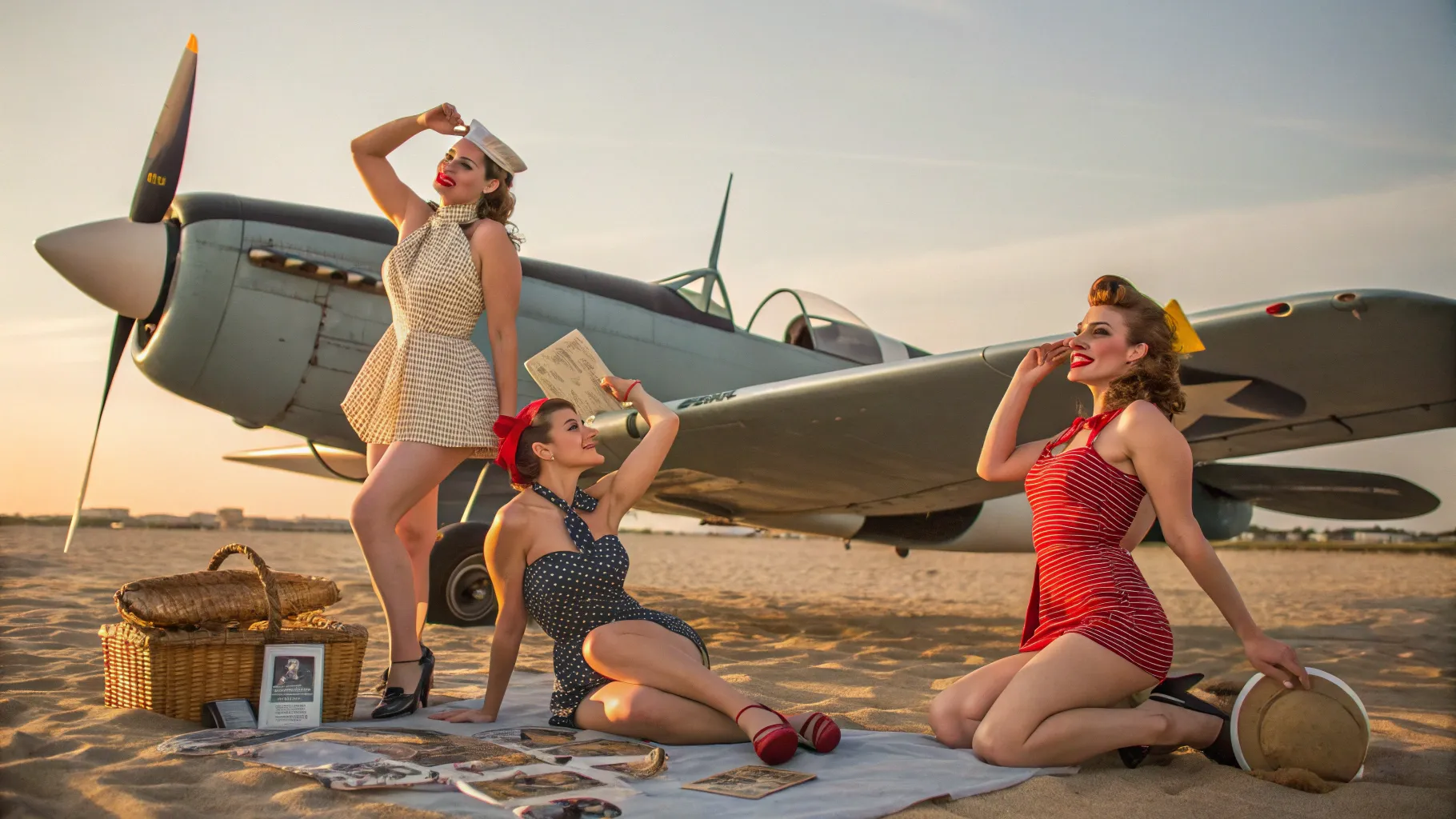
Pin-up girls were absolutely far more than just beautiful images. To them, they representeddespite that they were the simple expressions of a soldier's happiness, a sign of hope, and an aid to recall home. In times when the wait for letters was a long one, sometimes there could also be an extraordinary effect of the sight of a soldier's photograph, which was in a package from home, and such would release an impact on a hundred hearts.
Pin-up culture reached its peak during World War II. What started as a risque novelty in earlier decades evolved into a national phenomenon by the early 1940s. These images walked a careful line between glamour and innocence. They were flirtatious enough to excite, wholesome enough to be shared openly in military spaces, and widely distributed by magazines, calendars, and even hand-painted on the sides of aircraft.
The Golden Age of the Pin-Up
After Pearl Harbor, the American home front and its cultural machinery shifted into wartime mode. Unexpectedly, beauty became an instrument of patriotism. The government never officially declared a pin-up strategy, but the circulation of photographs of Hollywood stars was encouraged as a way to keep spirits steady overseas. Soldiers tucked them into lockers, taped them to bunk beds, and used them as tiny beacons of normalcy in the midst of chaos.
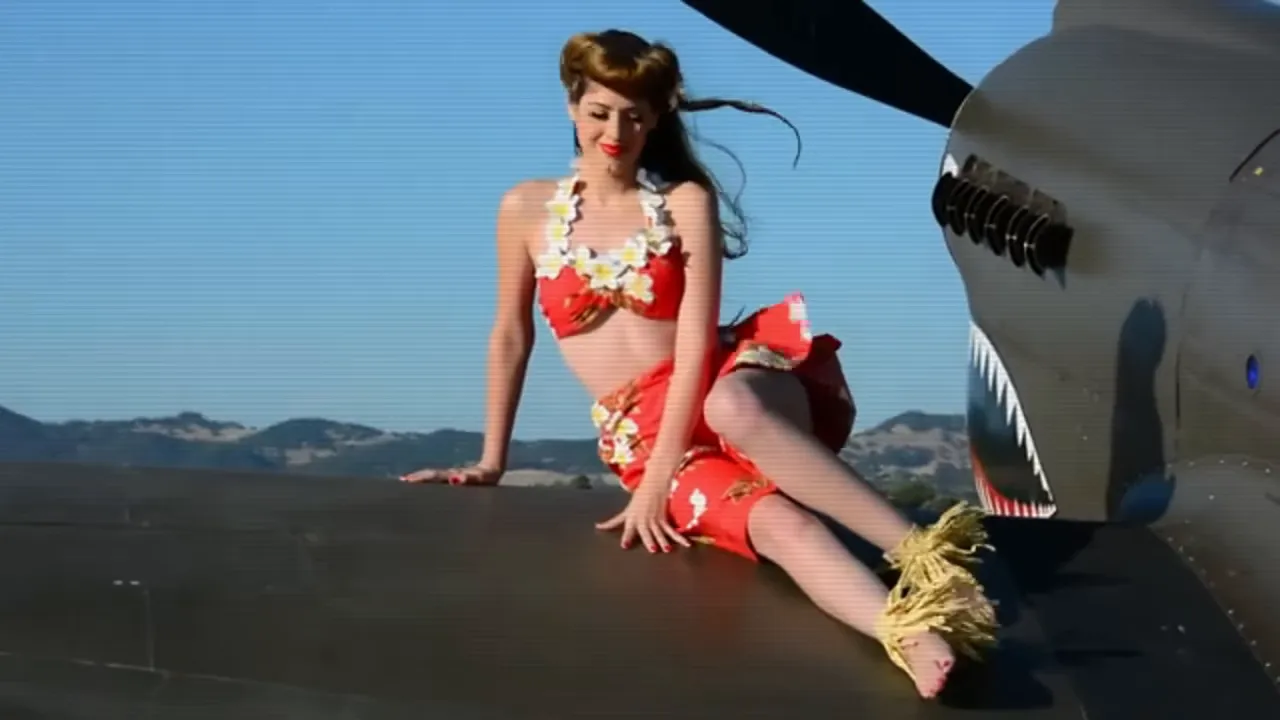
These portraits offered a visual reprieve from the daily grind of war. They were often playful, occasionally suggestive, but framed in a way that emphasized optimism and resilience. When troops looked at Rita Hayworth, Lana Turner, or Betty Grable, they saw more than sexual allure — they saw reminders of what they were defending. At a time when news from home was precious and rare, a smile in a photograph could mean everything.
Along with having the most popular movie stars, some of the most well-known people during the period were already household names. The movie stars were like gods in the eyes of the public. Their pictures were shared by everyone, sometimes even in the millions. The positive value of such images was both cultural and psychological. They displayed a vision of a country that was self-assured, humorous, and intact.
Rita Hayworth and the power of presence
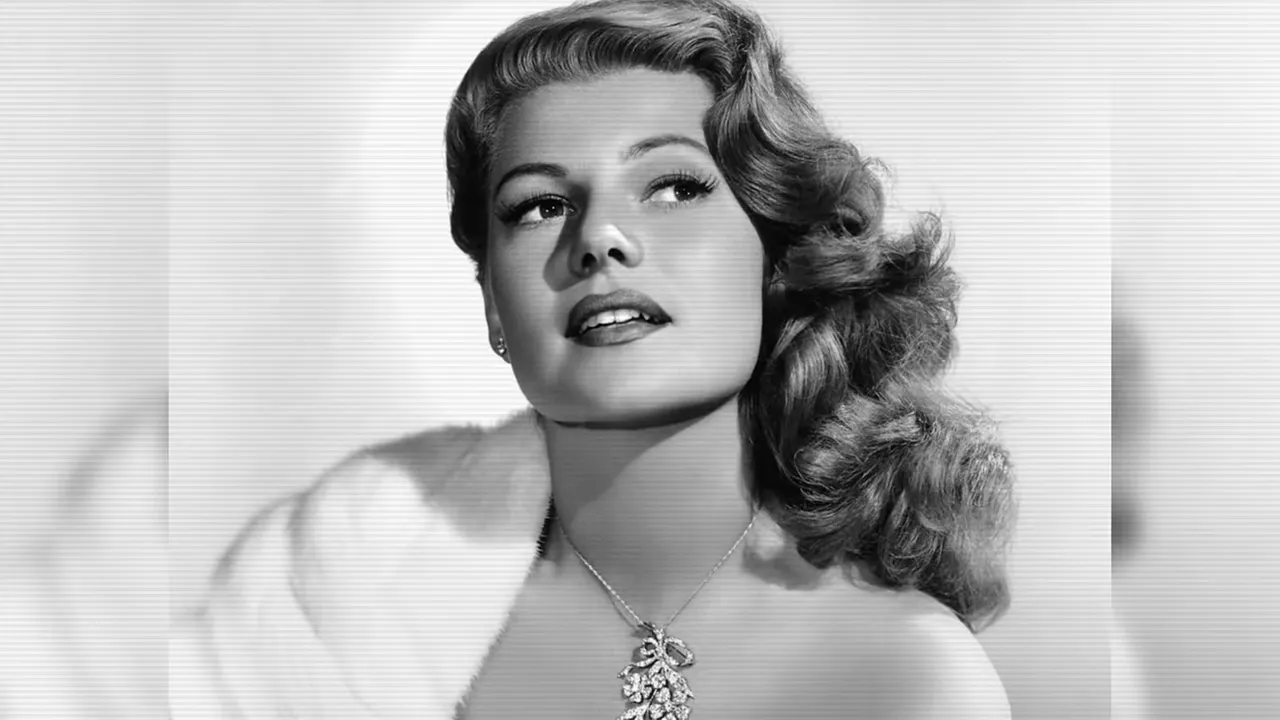
Rita Hayworth was often dubbed the Love Goddess, a title that stuck because of her blend of sensuality and sincerity. Her photographs traveled across the Pacific and were fixtures in barracks and airfields. Hayworth’s connection to the war was personal: her brothers served in the armed forces, and she actively supported the military by selling war bonds and visiting troops. Her image became a beacon, an embodiment of hope for many servicemen who were thousands of miles from home.
Lana Turner, Vivien Leigh, and Marlene Dietrich
Lana Turner was the embodiment of both glamour and approachability. The way she appeared on screen made her seem close to the soldiers who wanted to project their home and normal life beyond the violent destruction caused by the war. Vivien Leigh, the one who was always beamed by her role in Gone with the Wind, was the symbol of everlasting beauty and elegance. She was the gentle and elegant reminder of permanence in a situation that had gone chaotic.
Marlene Dietrich provided a different kind of influence. Not content with being admired from afar, Dietrich actively performed for Allied soldiers and used her celebrity to take a stand against fascism. She risked personal safety to entertain troops and make a political statement. Her actions demonstrated that pin-up figures could also be agents of political resistance and moral clarity.
The Face of a Generation
If one photograph defined the era, it was Betty Grable’s iconic image: the over-the-shoulder smile in a white bathing suit. That single photograph was requested so often that Twentieth Century Fox reportedly distributed over five million copies to U.S. servicemen. Grable became, for countless soldiers, the definitive face of World War II pin-ups.
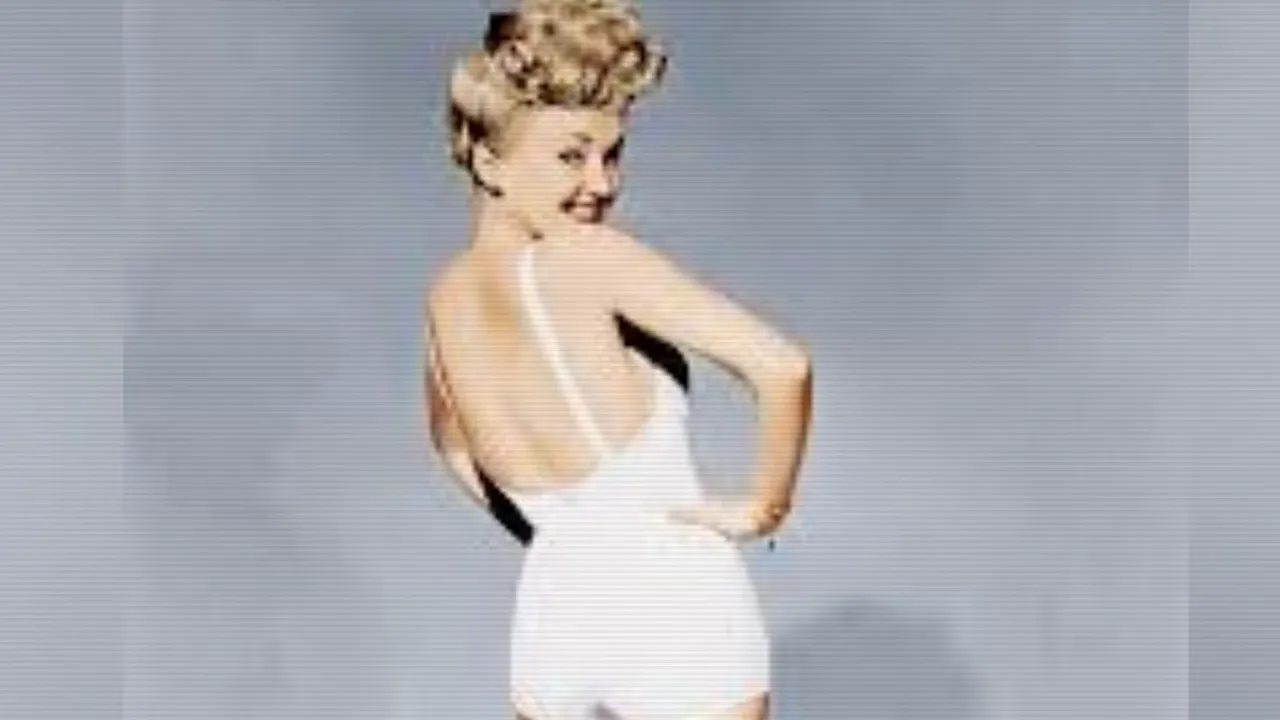
Grable’s picture was not only a beautiful face. It was a symbol of hope and the conviction that life after the war would be happy. She was the embodiment of a future that deserved to be fought for. After the war, her popularity skyrocketed; she turned into one of the highest-paid women in the United States.
Similarly, other actresses had comparable weight. Carol Landis, the beloved Ping Girl, greatly traveled around and visited different camps to promote troop morale. It was her buoyant character and ceaseless performances that won her peopleero's hearts, even if she would die at a very young age. Lucille Ball, long before the TV show I Love Lucy, was a well-known personality because of her bright-red hair and a funny smile. In the difficult period of the war, she was a symbol of laughter and hope in uncertain times.
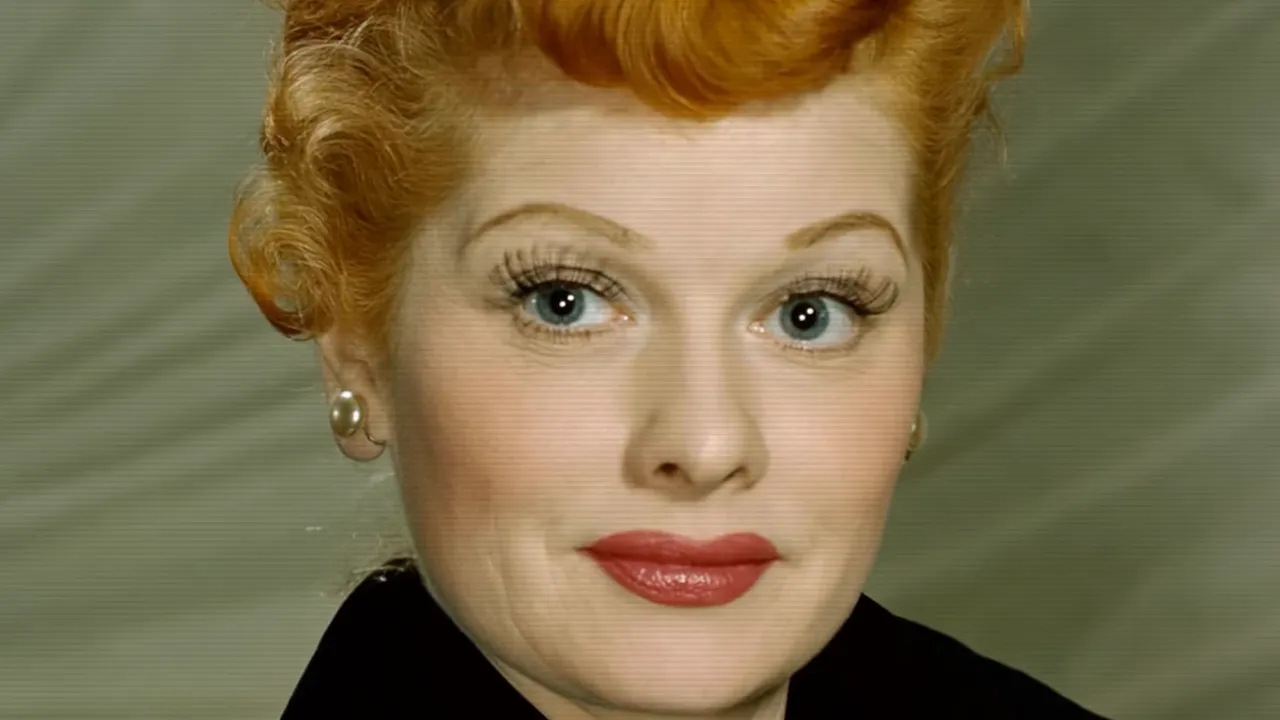
Veronica Lake had a signature peekaboo hairstyle that made her instantly recognizable. Yet her story shows how pin-up culture intersected with wartime practicality. The U.S. government urged her to change that style to protect women working in factories. Lake complied, becoming a visible example of patriotic sacrifice that went beyond glamour—she raised funds, promoted war bonds, and toured to support troops.
Jane Russell, Katharine Hepburn, and the spectrum of appeal
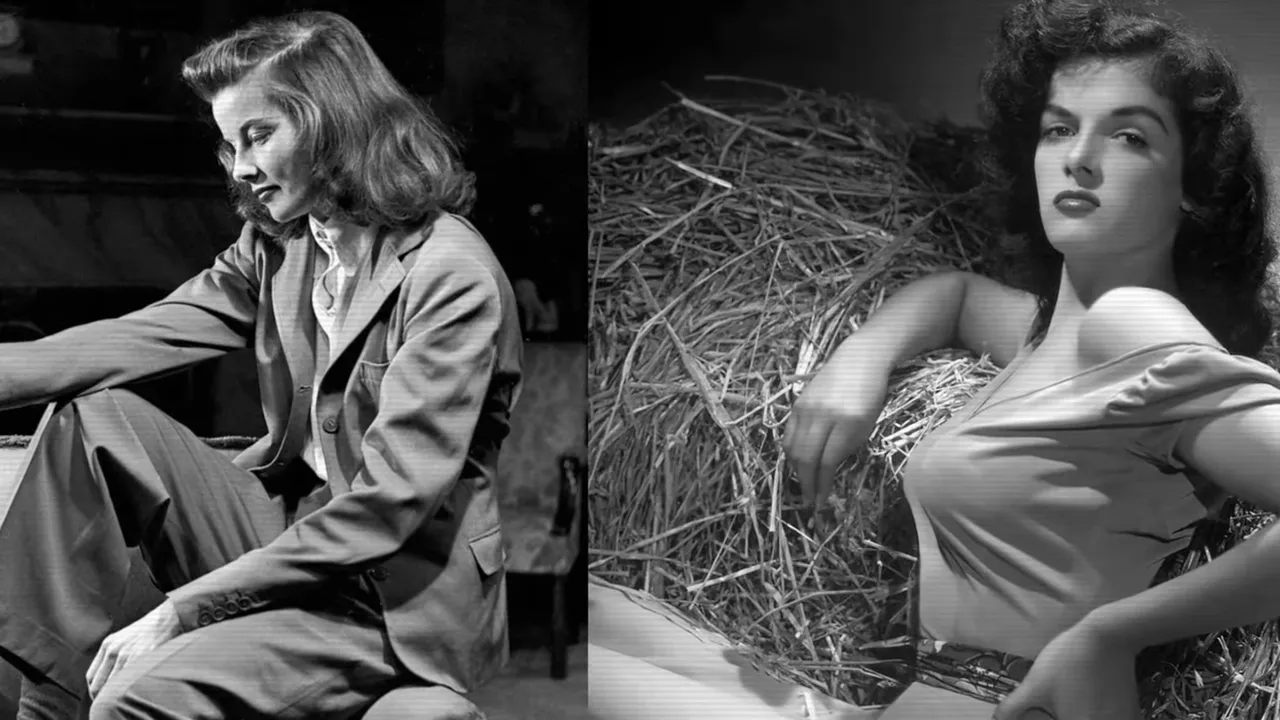
Jane Russell was a symbol of the more risqué aspects of the studio-era publicity, as she was seen wearing promo photos that tiptoed on the edge of censorship but were, on the contrary, only made her more famous. For most of the soldiers, she embodied the wild and glamorous world of Hollywood and the alluring fantasy it offered. Unlike her, who was famous for her mind and independence, Katharine Hepburn was loved and admired by the people for her intellect and autonomy. The bravery and trustfulness that she was showing made the troops see her as a typical strong American woman.
Beauty and Bravery
Ең яхшы вьемуш тамашачылар дешевле изображений или актрис, которые оптическими главами. Много из них были очень заняты войной, соединяя знаменитость с услугой. Их резкие изменения в восприятии женщин, как олицетворяющие себя везде, не только в декоративной, но также и в активной, и в целенаправленной сначала их устраненной только ставной ситуации.
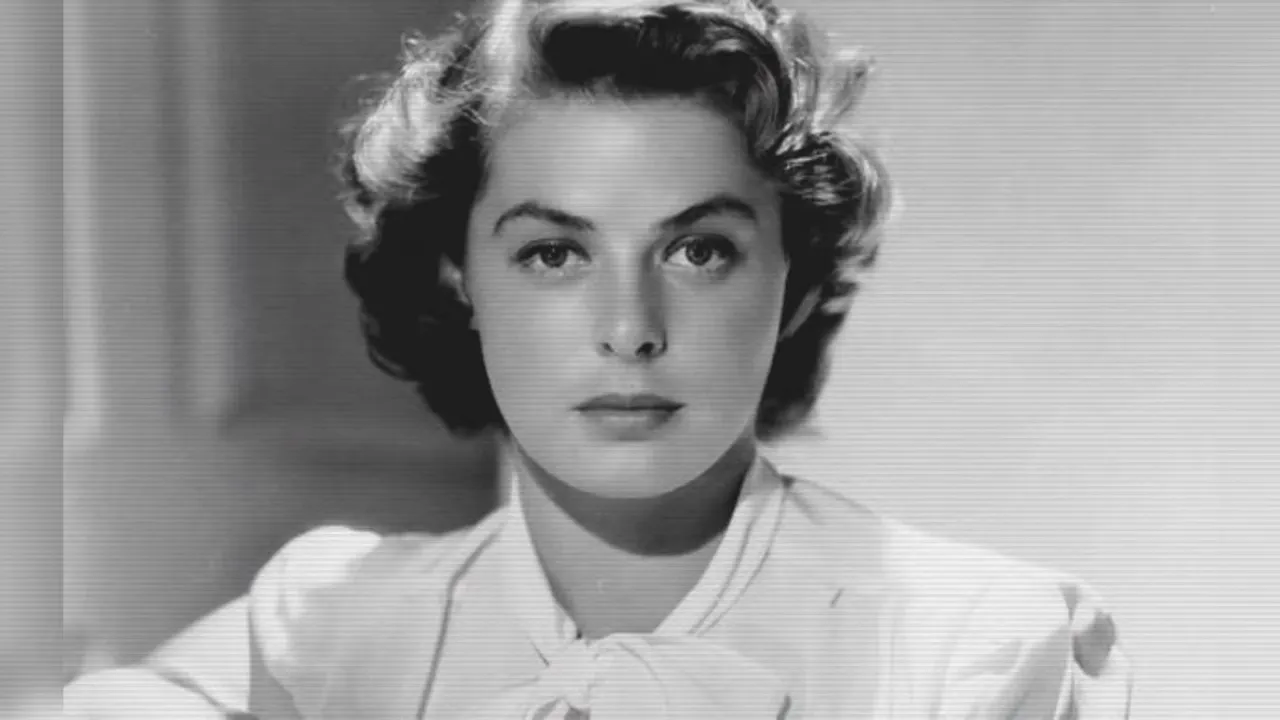
Ingrid Bergman, remembered for her luminous role in Casablanca, carried a kind of moral strength that resonated with troops. Her screen persona translated into a comforting sense of loyalty and love for those far from home. Ida Lupino took her commitment a step further by serving as a lieutenant in the Women’s Ambulance and Defense Corps while still maintaining a public profile as an actress. Lupino’s dual identity — glamorous star and wartime contributor — inspired many women to see themselves as both patriotic and professionally ambitious.
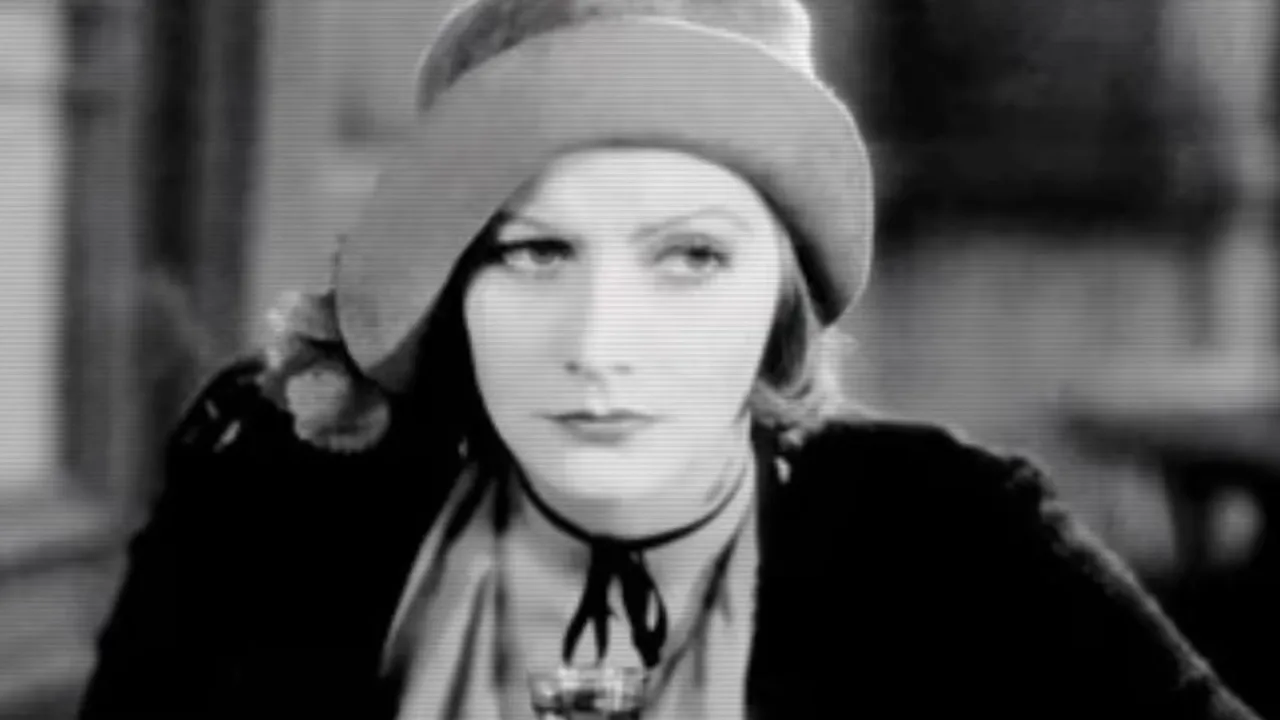
The presence of classic Hollywood celebrities was still felt even after the passage of time. Jean Harlow was a beloved actress who died before the war and her poster sold to the soldiers as a form of providing solace as well as nostalgia. Ginger Rogers who just got awarded an Academy Award on the previous night was viewed as a graceful and humorous woman; ultimately she became a figure holding the hopes for return of the carefree life after war. Greta Garbo's elusive character was still an object of attraction although she left the stage early in her career. The way she had played complex characters in the past really made her look dangerous and mysterious. Quite a lot of the soldiers found it captivating.
Beyond the Gloss
It's worth recalling that the pin-up phenomenon was not just confined to physical beauty. These images were the reflection of a cultural demand. They brought along the hope of a better future, the belief in the extension of time, and a picture of the everyday life we all long for. Furthermore, they were a sort of soft power: the capacity to alleviate, to inspire and to present a conflict in a human way that more often than not is reduced to a question of how to survive and plan.
Famous individuals who have spent time in hospitals, sold bonds, and who performed close to shooting lines are the people who transformed the pages of the magazine from glossy to the real world of comfort. Through these actions, they demonstrate how the culture of celebrities and the social responsibility mingled together during the most difficult time in the contemporary world.
- Emotional support: Pin-ups helped maintain emotional resilience among troops.
- Cultural continuity: Familiar faces anchored soldiers to prewar life and postwar hopes.
- Active participation: Many stars contributed materially through bond drives, performances, and personal visits.
- Practical influence: Celebrities like Veronica Lake adapted style for safety, modeling wartime behavior for women at home.
Which Pin-Up Had the Biggest Impact?
Who was the ultimate symbol? The answer lies in the question, and it may not have been in the eye of the beholder. Was Rita Hayworth’s sexy yet demure nature a more powerful force than the political bravery of Marlene Dietrich? The answer to this will depend on how much value you give to action and image. Grable’s face, for example, may have been the only one to bring comfort and association with family to the fighters in the field. But for those who witnessed the actual performances of the actress and saw the inconsistency of ethics, Dietrich was able to give them a different type of weapon. Both types of influence were important.
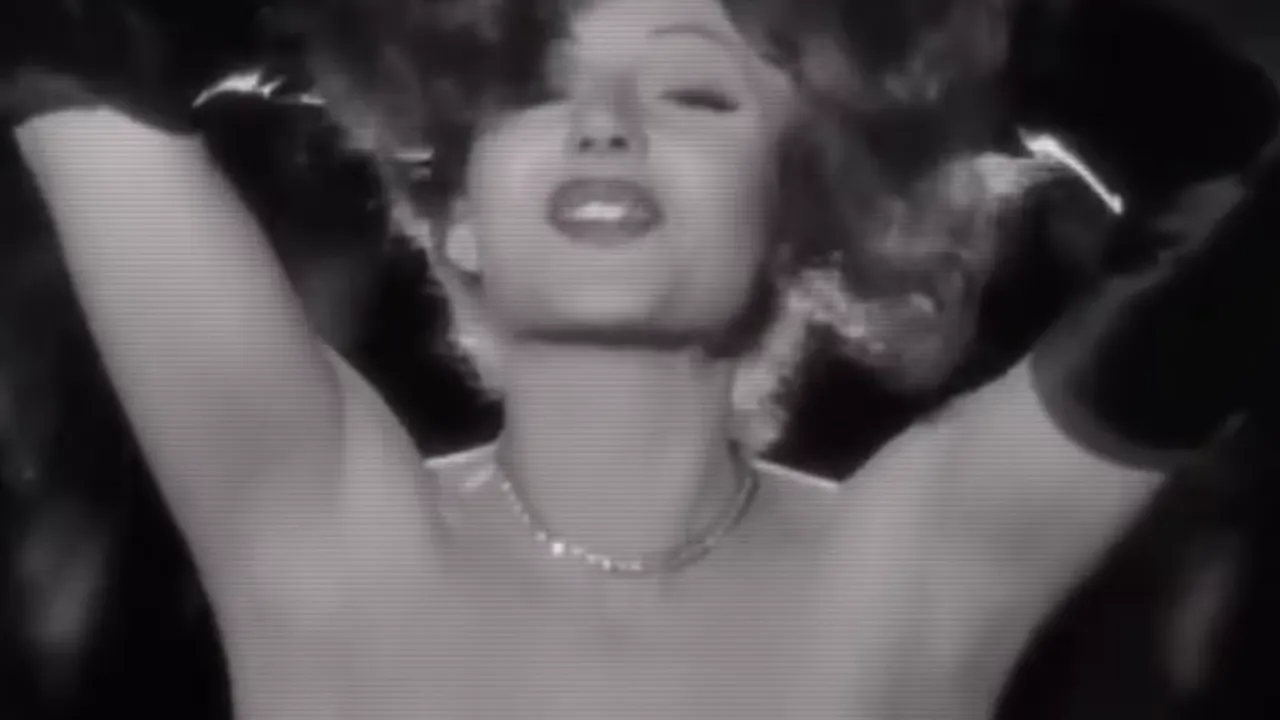
Absolutely, there is no doubt that these women are definitely icons. They stirred up fire in the entertainment field, motivated a lot of people, and helped others. In addition, their photos were more of historical items rather than just pretty decorations. They, indeed, were encryptions of far seas crossed, battles disputed, and barbarian tombs unlocked. The period of "the pin-up" also links to the idea that culture can be a good support, that the coexistence of art and courage is possible, is one that makes us realize that culture also can be the support.
Out of all the classic World War II pin-up girls, I frankly believe that Betty Grable is the one who made the greatest impact on history. She was the most famous pin-up girl at that time and even got the title "the queen of pin-up girls" for herself. During the U.S. Army's fundraising campaign, she was the one who made the most significant contribution. Additionally, her image was used on warplanes, and bombers, and as home heater decoration which deeply influenced the culture of that time. Would you be able to picture it in your mind if I were to tell you that this iconic pin-up girl, Betty Grable, was often featured wearing bathing suits, dresses with plunging necklines, and fitted skirts that accentuated her figure? I can only imagine how much of a fashion trendsetter she must have been at that time. With her beautiful appearance and mesmerizing smile, she definitely made those pictures very special. I wish I could tell her how much I appreciate her images as a source of happiness for troops.



 Posts
Posts


0 Comments